
During Mother’s Month and Child Protection Month, it is worth remembering how important the first 1,000 days are. From pregnancy through early childhood, this period helps shape the course of a child’s life.
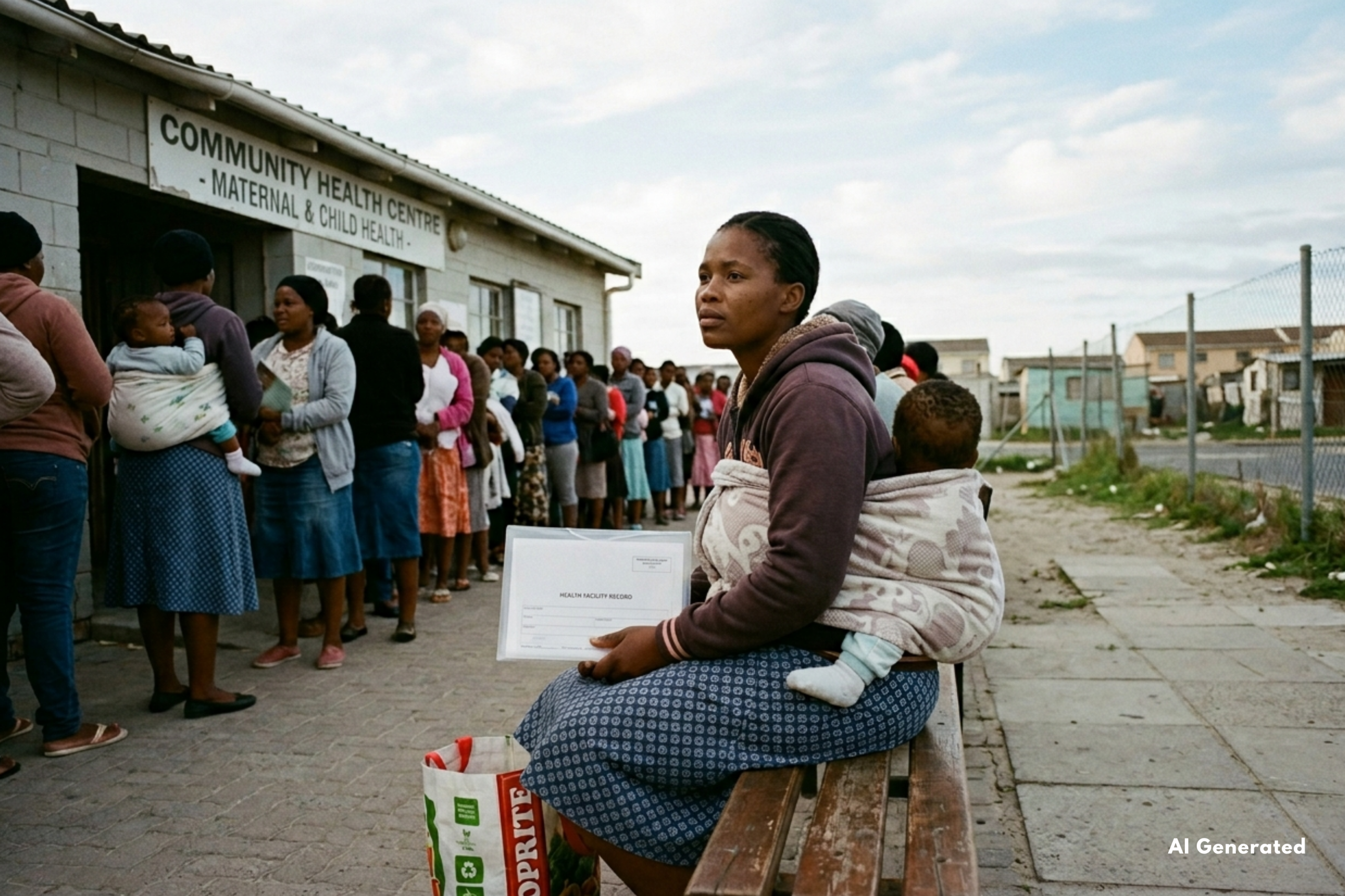
In many South African communities, women line up outside clinics before sunrise. Some pregnant, others carry babies on their backs, all waiting for care that can shape the health and future of their children.
The first 1,000 days are fundamental. This is when a child’s brain develops rapidly, when physical growth takes place, and when the foundations for emotional well-being and long-term health are built. But for many women, this period is marked by stress, long journeys, hunger, financial pressure and an overstretched healthcare system.
South Africa has committed to improving maternal healthcare, yet the daily reality for many mothers tells a more difficult story. Clinics and hospitals are under pressure, inequality continues to shape access to care, and many women face multiple challenges at the same time.
Improving outcomes starts with understanding what mothers are navigating every day, and recognising the importance of investing early in the systems, support, and innovations that can make the pregnancy and early childhood safer, healthier, and more dignified.
These are the realities that sit behind maternal and newborn care during the first 1000 days:
1. The Cost and Distance of Reaching a Clinic
Contrary to what many assume, the first barrier to healthcare for many women is not medical, but logistical. Access to care is often shaped by the “catchment area” system, where women may be turned away from a nearby clinic and told to travel to another facility further away.
The situation is even worse in rural areas, where poor roads and limited transport can make even a simple pregnancy check-up difficult and time-consuming. Even in cities, transport costs can be too expensive for families already struggling to make ends meet, causing women to miss appointments simply because they cannot afford to get there.
In emergencies, ambulances can take hours to arrive. During that wait, mothers and babies are left in dangerous situations where every minute counts.
2. The Lasting Impact of Early Malnutrition
Stunting is not simply about height. It reflects long-term, often irreversible impacts on a child’s development.
Currently, 28.8% of South African children under five are stunted. This figure has remained persistently high for decades and points to the ongoing chronic malnutrition during the most critical developmental window.
The impact begins early, often in the womb, when a mother does not have enough nutrients to support healthy growth of the baby before birth. The consequences extend far beyond childhood, shaping learning, brain development, and future opportunities later in life.
3. The Struggle to Eat Well During Pregnancy
One in four people in South Africa experiences food insecurity, and pregnancy intensifies this vulnerability.
During pregnancy, the body needs more nutrients, but many households can only afford basic staple foods that fill the stomach without providing enough iron, iodine, and calcium. This lack of balanced nutrition affects both mother and baby, increasing the risk of low birth weight and making it harder for mothers to recover and breastfeed after delivery.
4. Overstretched Staff in Maternity Wards
In many district hospital labour wards, midwives work in environments where there are simply too many patients for the number of staff available. The result is intense pressure, exhaustion, and burnout.
Often described as chaotic and overstretched, these settings force clinicians to manage multiple emergencies at once. When this happens, it becomes harder to keep a close eye on every mother, and early warning signs of complications can be missed.
Beyond the clinical risks, the human side of care is also affected. There is less time for empathy, reassurance, and education, even though these are central to safe maternity care.
5. Shortages in Essential Maternity Care Tools
System pressure is also visible in the availability of basic medical tools.
Many facilities report shortages of essential equipment such as cardiotocograph (CTG) machines, multi-parameter monitors, and incubators. In some cases, infrastructure challenges make things even harder, with hospitals experiencing water shortages that affect basic infection prevention practices like handwashing and sterilisation.
Without these essentials in place, even skilled teams are forced to work under difficult conditions that limit what they can safely do.
6. Fear in the Place Meant for Care
For many women, the clinic environment is shaped by experience.
Reports of disrespect during labour remain widespread, including shouting, scolding, and in some cases physical mistreatment. These experiences create fear that travels through communities and influences when and how women seek care.
As a result, a growing number of women arrive at clinics without having started regular pregnancy check-ups, delaying care to avoid difficult experiences for as long as possible. This increases risk for both mother and child.
7. The Long Queues at Clinics
A defining feature of maternal care is the amount of time spent waiting.
Women often spend between two and seven hours, and sometimes the whole day, at clinics for routine pregnancy check-ups. This is driven by high patient numbers, delays in paperwork, and strict rules that require women to go to specific clinics based on where they live, even if other clinics are closer.
For many women, the day starts before sunrise simply to secure a place in the queue before services close.
8. The Emotional Side of Pregnancy That is Often Missed
One in three women in South Africa experiences anxiety or depression during and shortly after birth.
Despite how common this is, maternal mental health is still not consistently included as part of routine pregnancy care. Yet the effects are significant, increasing the risk of babies being born too early, low birth weight, and weaker bonding between mother and child.
Mental health is often treated as something separate from maternity care, even though it is closely linked to physical health outcomes.
9. The Missing Support During Pregnancy
The Child Support Grant remains one of the most important poverty interventions in the country, yet its value remains below the food poverty line.
A key gap exists before birth. There is no dedicated income support for pregnant women during the most nutritionally demanding stage of the 1,000-day window.
This leaves households carrying the cost of pregnancy without additional support, increasing vulnerability during a critical period of development.
10. Intimate Partner Violence and Pregnancy Risks
Approximately one in four women in South Africa experiences intimate partner violence during or after pregnancy.
The risks are severe. Violence doubles the likelihood of perinatal death, miscarriage, and newborn death. South Africa also has some of the highest rates of intimate partner femicide in the world, making pregnancy a particularly dangerous time.
Often, the warning signs are subtle and easily missed in clinics unless they are actively identified.
A System That Must Hold the Whole Journey
These ten realities are connected. They overlap, reinforce each other, and often deepen the same vulnerabilities at different points in a woman’s journey.
For example, financial barriers affect access to nutrition, staff shortages affect the quality of care, food insecurity shapes birth outcomes, and violence and mental health challenges influence everything in between.
What becomes clear is a single system under strain across the full 1,000-day window.
Improving outcomes requires joined-up approaches that strengthen maternal support across health services, nutrition, income, safety, and the home and community environments where many of these risks begin and play out.
It also requires recognising the first 1,000 days as a critical stage of human development that needs continuity, dignity, and protection from the very beginning.
This is where greater investment in impactful interventions and innovation is needed to strengthen weak points across the system. It is a shared responsibility to make it happen, across government, partners, and society as a whole.
Read more insights here, or get in touch with us.
Author: Dimpho Lephaila – Communications Associate at Innovation Edge